Dealer locator

From leather to shoe laces, we always choose our materials carefully and use them thoughtfully. In doing so, we always keep an eye on what the material has to achieve and whether the costs and benefits are in the right proportion. Wherever possible, our shoemakers work with particularly sustainable materials.

Leather as a material for kids' shoes

There are good reasons that leather offers many advantages for the production of kids' shoes. The material is both breathable and supple. It’s also elastic, true to form and hard-wearing. In short, it’s perfect for the special needs of children. But leather has even more advantages. It absorbs body moisture and it keeps wetness out.

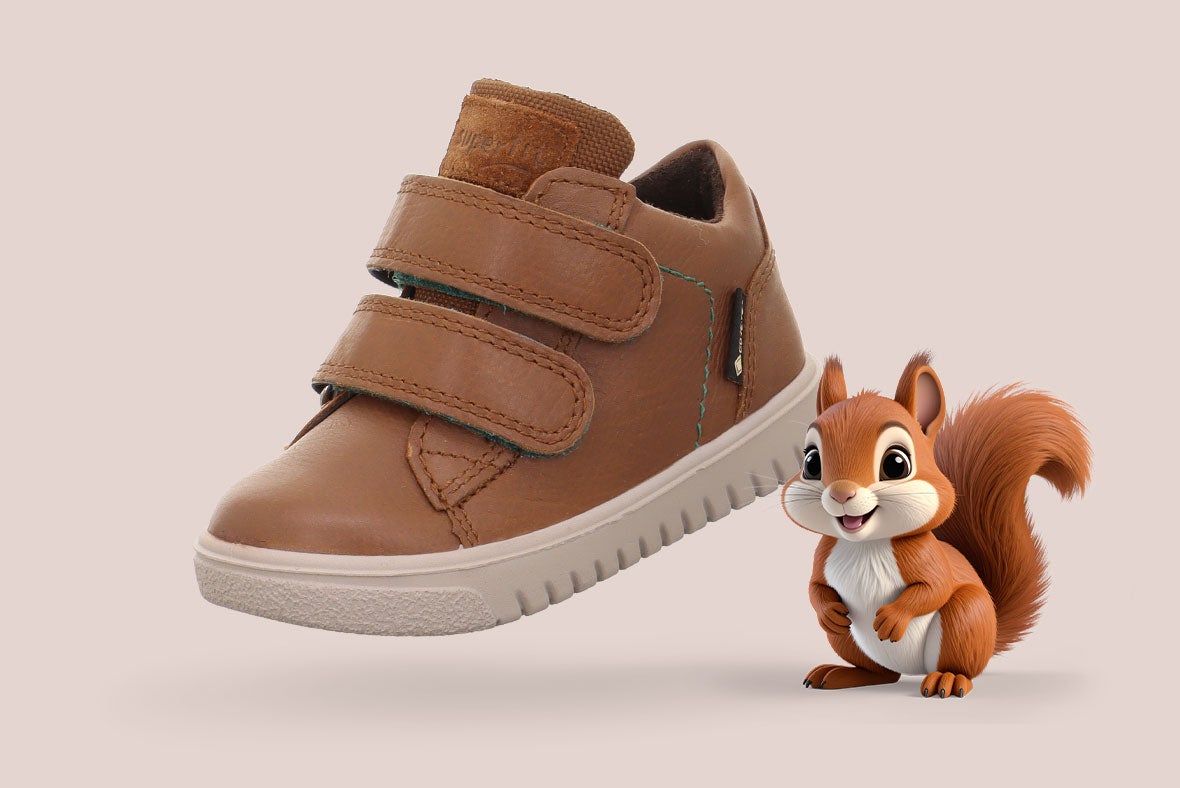
superfit Boys SUPIES 4S Sneakers high with Velcro Fastener - Colour: Brown - Material: Nappa leather

Smooth leather (nappa)

Nappa leather is very breathable, supple, elastic and hard-wearing. It absorbs body moisture and keeps moisture out. We use the grain side of the leather for our kids' shoes.


Nappa leather was originally the name for glove and clothing leather and was always known for its special softness. Today, however, it’s a collective term for particularly supple smooth leather of all animal species and uses.

superfit Girls SUPIES 4S Sneakers high with Velcro Fastener - Colour: Brown - Material: Suede

Suede leather (suede & nubuck)

Nubuck leather is the grain side of the leather. This grain side is slightly rough, giving it a velvety character. It’s particularly fine and high-quality, but also more sensitive to dirt. If the flesh side, i.e. the “inner side”, is used it’s called suede. Here, no grain pattern is visible.


Good to know: Suede is made from the underside of the skin. Lamb is mostly used but calf, deer and elk are also commonly used.

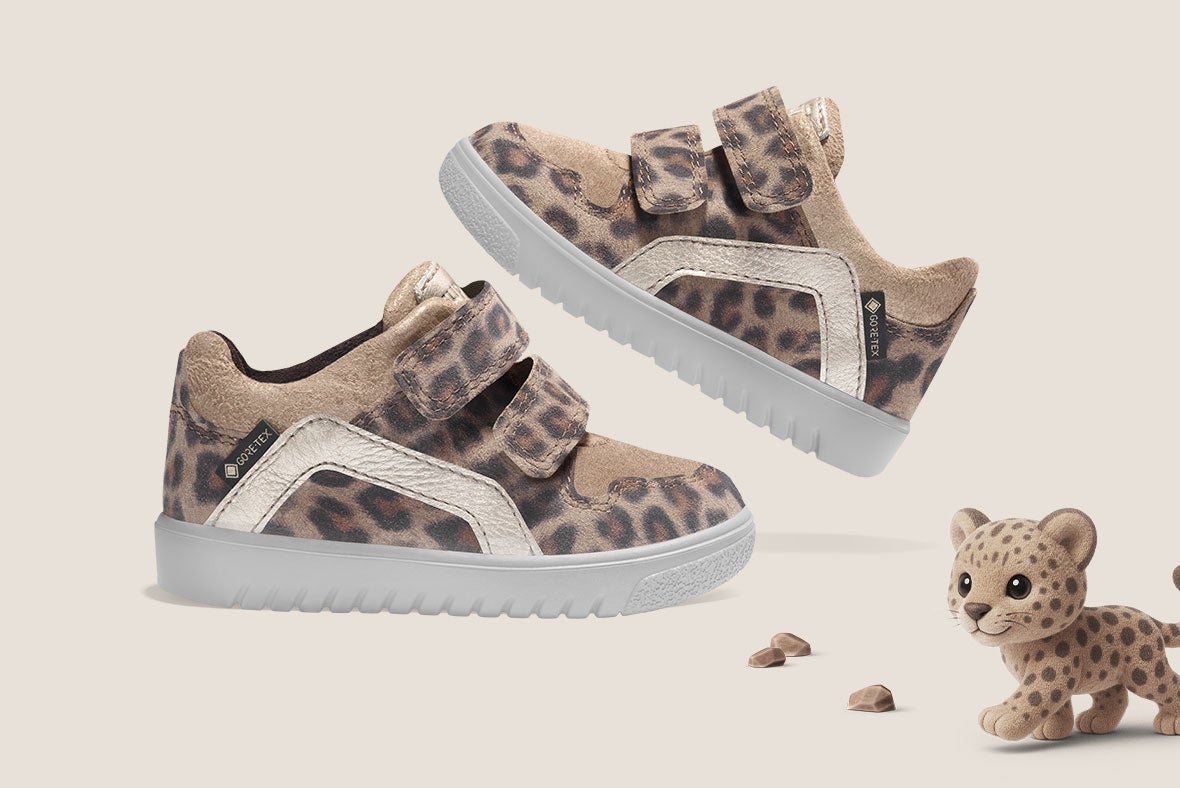
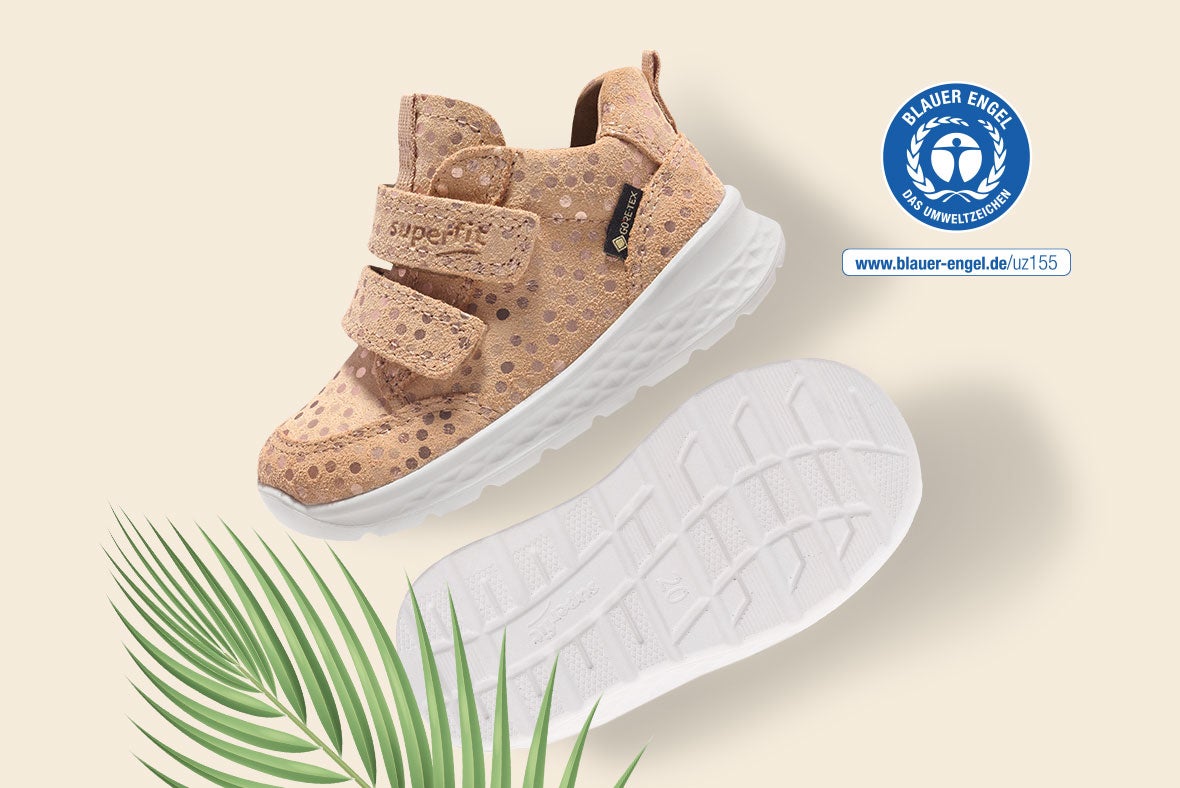
superfit Girls, Boys BREEZE Sneakers high with Velcro Fastener - Colour: Beige - Material: Effect leather

VIOS-compliant leathers

Our VIOS-compliant leathers are manufactured in a resource-conserving way according to the strictest criteria: chrome-free, with exclusively natural colours and environmentally friendly materials.


As is the case with all of our materials, we only work with partner companies and production facilities that are committed to the strict criteria of the VIOS Restricted Substance List (RSL), whose limits go far beyond the minimum legal requirements.


A particularly environmentally friendly production and the shortest possible transport routes within the supply chain are a must for us. After all, we want to keep our CO2 footprint as low as possible.

Lining types for kids' shoes

The following applies to all linings: they come into direct contact with the child's foot. That's why their properties and quality, and absence of harmful substances are particularly important to us. The lining surrounds the child's foot from all sides and keeps the foot dry and warm. At the same time, the moisture balance in the shoe should be optimally regulated to prevent increased sweating and unpleasant odours as far as possible.

Leather lining

Leather is not only impressive as an upper material, but also as a lining thanks to its many advantages: it is skin-friendly, breathable, elastic and absorbs sweat and moisture extremely well. This prevents sweaty feet and regulates temperature – warming in cold weather and cooling in hot weather.


Its ability to absorb up to 30% water is unique. Important: Leather that has already become wet should be dried carefully.


At superfit, all leather insoles and inner linings are made of chrome-free tanned VIOS leather – particularly skin-friendly and sustainable, ideal for children's feet.
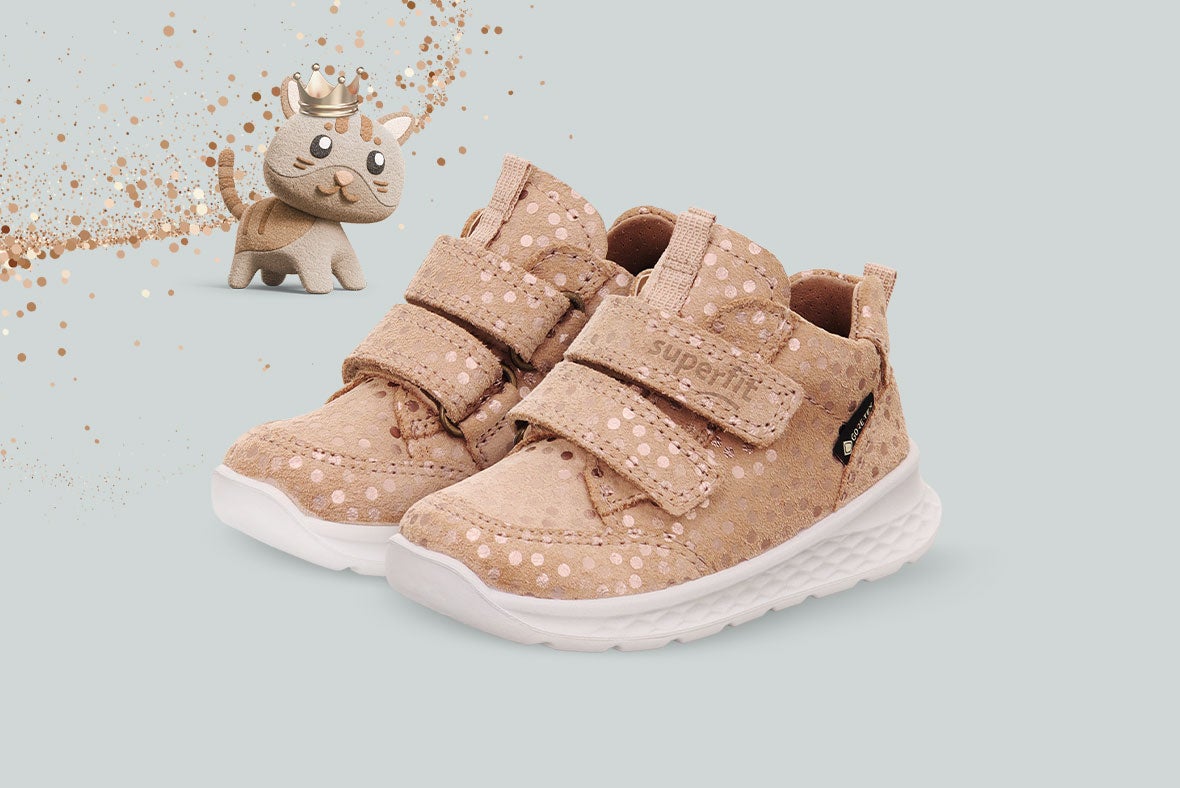
superfit Girls, Boys BREEZE Sneakers high with Velcro Fastener - Colour: Beige - Material: Effect leather

Textile lining

The most important materials for textile linings are cotton and viscose.


Cotton is not only organic and breathable, but also keeps the shape of the shoe when worn regularly.


Like cotton, viscose, the most important chemical representative of lining materials, has a high absorbency. In other words, high hygienic comfort for the feet.

superfit Girls AGOS Sneakers low with Velcro Fastener/Elastic lacing - Colour: Blue - Material: Textile

Synthetic lining

In contrast to natural materials such as leather, synthetic linings absorb little water. Polyester only manages 0.5% of its own weight, polyamide between 3 and 8.5%. However, synthetic fabrics can withstand high loads, they dry quickly and are very easy to care for.


Our warmly lined winter shoes are therefore equipped with a synthetic lining to ensure optimum comfort, easy care and quick drying.

superfit Girls WALDERI Boot with Velcro Fastener - Colour: Red - Material: Effect leather

GORE-TEX® membrane: waterproof and breathable material for kids' shoes

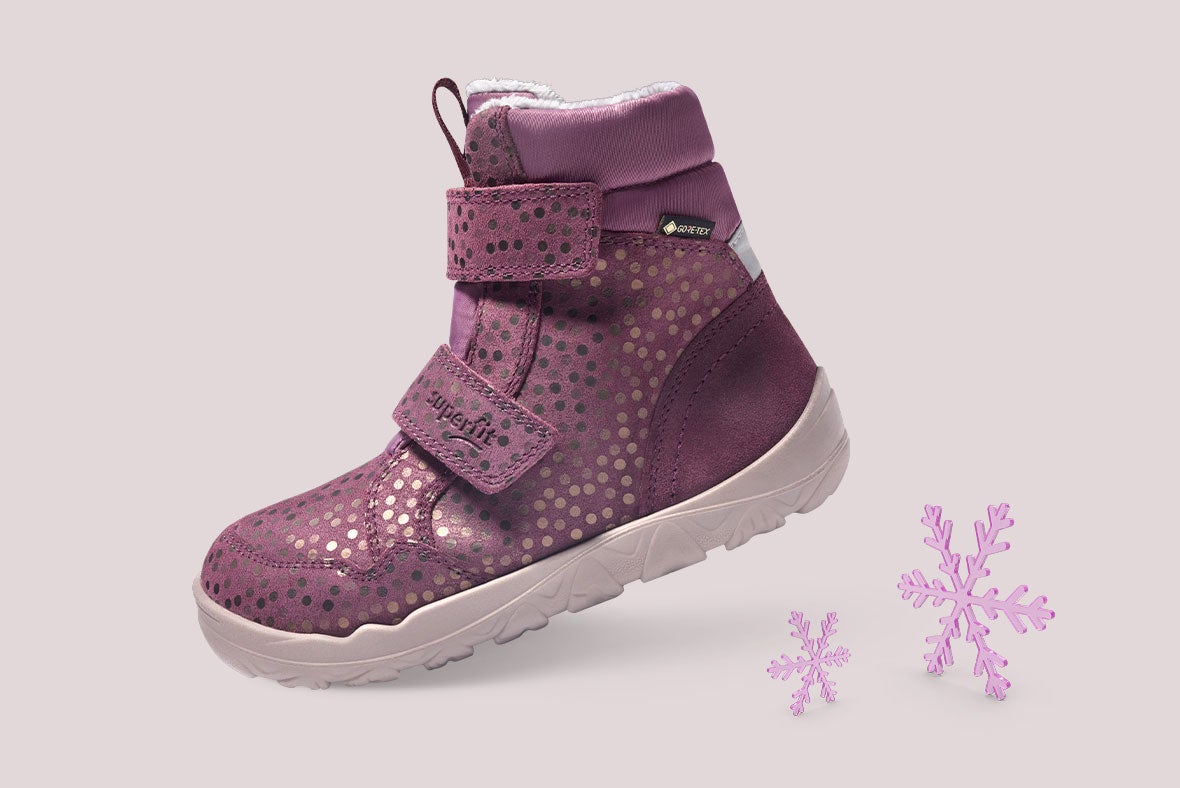
GORE-TEX® is an ideal material for children's shoes. The membrane is integrated between the upper material and the lining, providing reliable protection against moisture and wind. Whether jumping in puddles, playing in the snow or walking in the rain – thanks to the waterproof and breathable GORE-TEX® membrane, children's feet stay comfortably dry.


What makes it special: Microscopic pores prevent water from entering while allowing water vapour (body moisture) to escape. Unlike traditional rubber boots, the breathable membrane helps maintain a comfortable foot climate and ensures excellent wearing comfort.

Sympatex® membrane: waterproof and sustainable material for kids' Shoes

The Sympatex® membrane combines reliable protection against moisture with high performance and sustainability. It is waterproof, windproof and breathable, ensuring that children's feet stay comfortably dry even in rain, snow and wet weather. At the same time, it transports moisture to the outside, helping to maintain a comfortable foot climate. Thanks to its high elasticity, the material adapts flexibly to the shape of the foot and provides excellent wearing comfort.


Another key advantage of the Sympatex® membrane is its environmental friendliness: It is made from recycled materials and can be recycled again after use. In addition, the non-porous membrane is free from PTFE and PFAS. Certifications such as OEKO-TEX® STANDARD 100 and bluesign® underline its high standards of environmental responsibility and material quality.

Textiles for kids' shoes: cotton, linen and more

Textiles are used in children's shoes both as upper materials and as lining. Materials such as cotton, linen, viscose and polyester have different properties and influence factors such as wearing comfort and foot climate. A pictogram inside each shoe indicates which materials have been used for the upper.


Natural fibres: These include fibres of natural origin, such as cotton, linen and wool. Cotton and linen are particularly popular for summer shoes, as they are comfortable to wear and can absorb moisture. Materials such as felt, tweed and loden are also often made from wool.


Man-Made fibres: These include viscose and synthetic fibres such as polyester. Viscose is made from natural cellulose and is known for its soft, pleasant feel. Depending on the material, synthetic fibres offer advantages such as durability, shape retention and easy care.

Synthetic Textiles: an overview of polyamide, polyester, acrylic and elastane

Synthetic fibres are chemically produced and are commonly used in shoes due to their versatile properties. Depending on the material, they can be particularly durable, elastic, lightweight or quick-drying.


Polyamide: TAlso known as nylon, polyamide is particularly tear-resistant, elastic and durable. The material absorbs very little moisture, making it ideal for sports activities and areas of children's shoes that are subject to heavy wear.


Polyester: Polyester is lightweight, shape-retaining and resistant to wear. The fibres absorb very little moisture and dry quickly, making polyester particularly suitable for functional and easy-care shoe textiles.


Acrylic: This soft, wool-like fibre provides good thermal insulation and absorbs very little moisture. Acrylic dries quickly and is often used in textiles designed to provide warmth.


Elastane: Elastane is highly stretchable, allowing textiles to adapt flexibly to the shape of the foot. In shoes, it is used in elastic inserts and stretchable upper materials to support freedom of movement and wearing comfort.